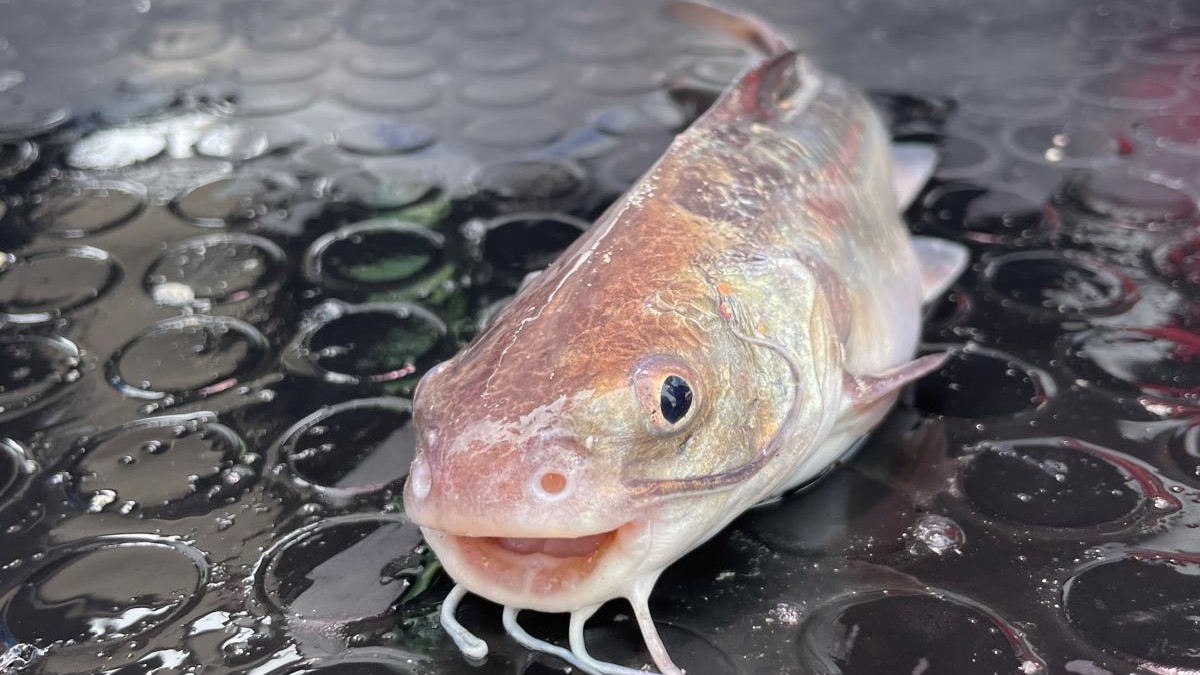
Barbel
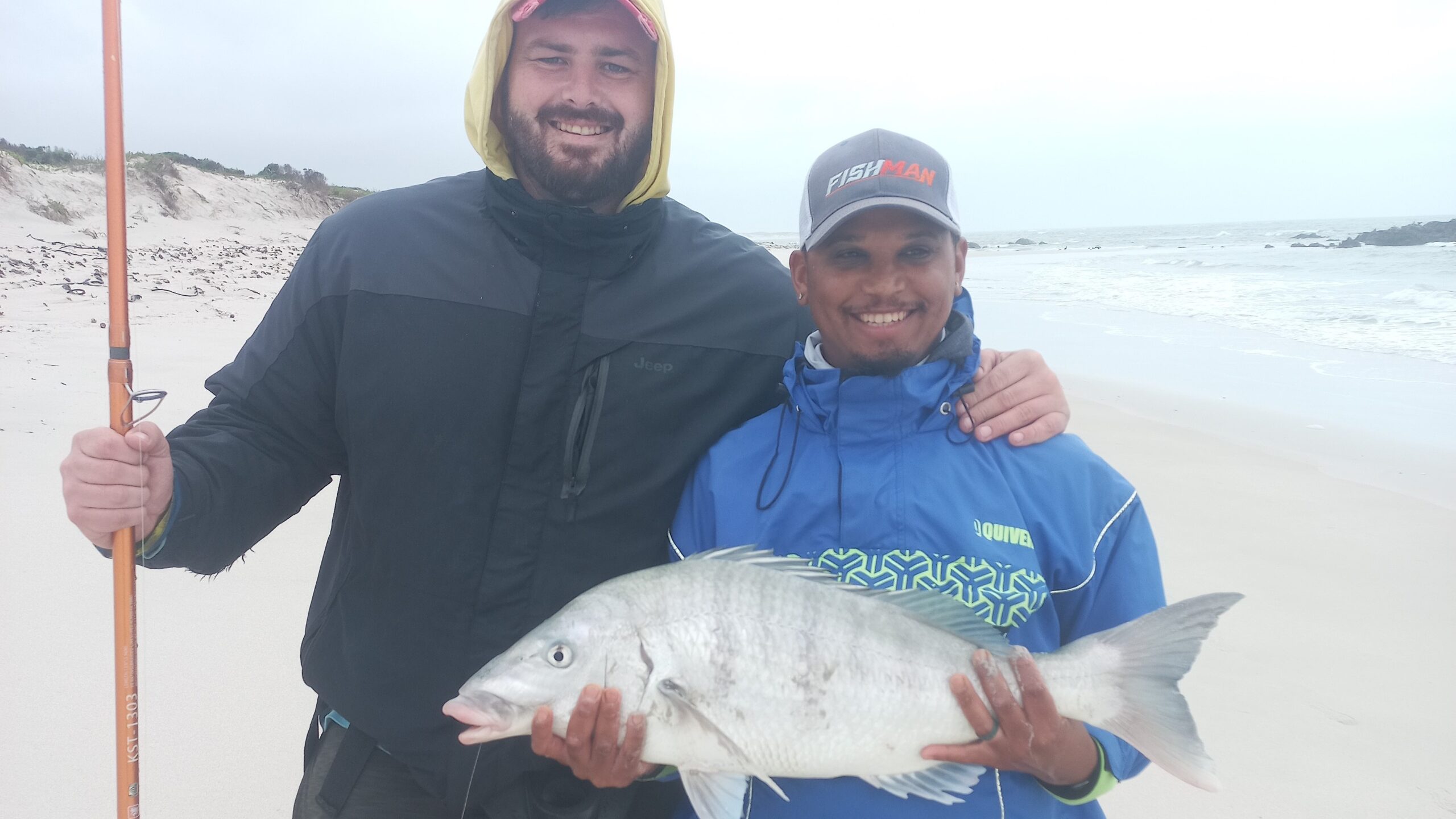
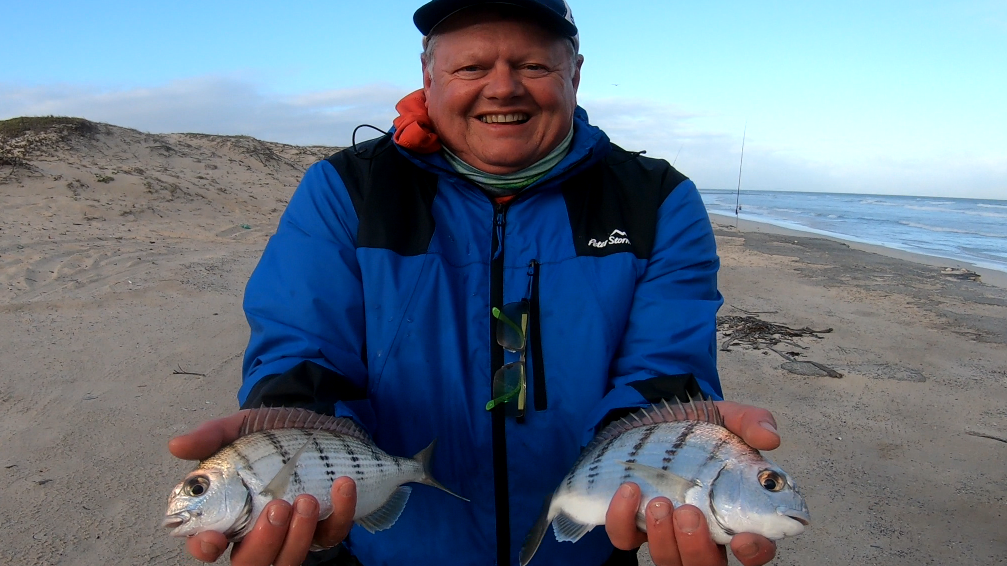
Slick, scaleless, and armed with venomous spines, the White Sea Catfish prowls the Western Cape’s beaches like a shadow. Its whiskered barbels sweep the shallows. Usually feeds at night on all dead baits and can be a pest.
Belman (Baardman)
Belman is a bottom-dwelling species known for its subtle bite and clean-water preference. Found in sandy gullies and reef edges, a finesse fish that rewards precision and patience. Best targeted with wonderworm, bloodworm, prawn, or choka.
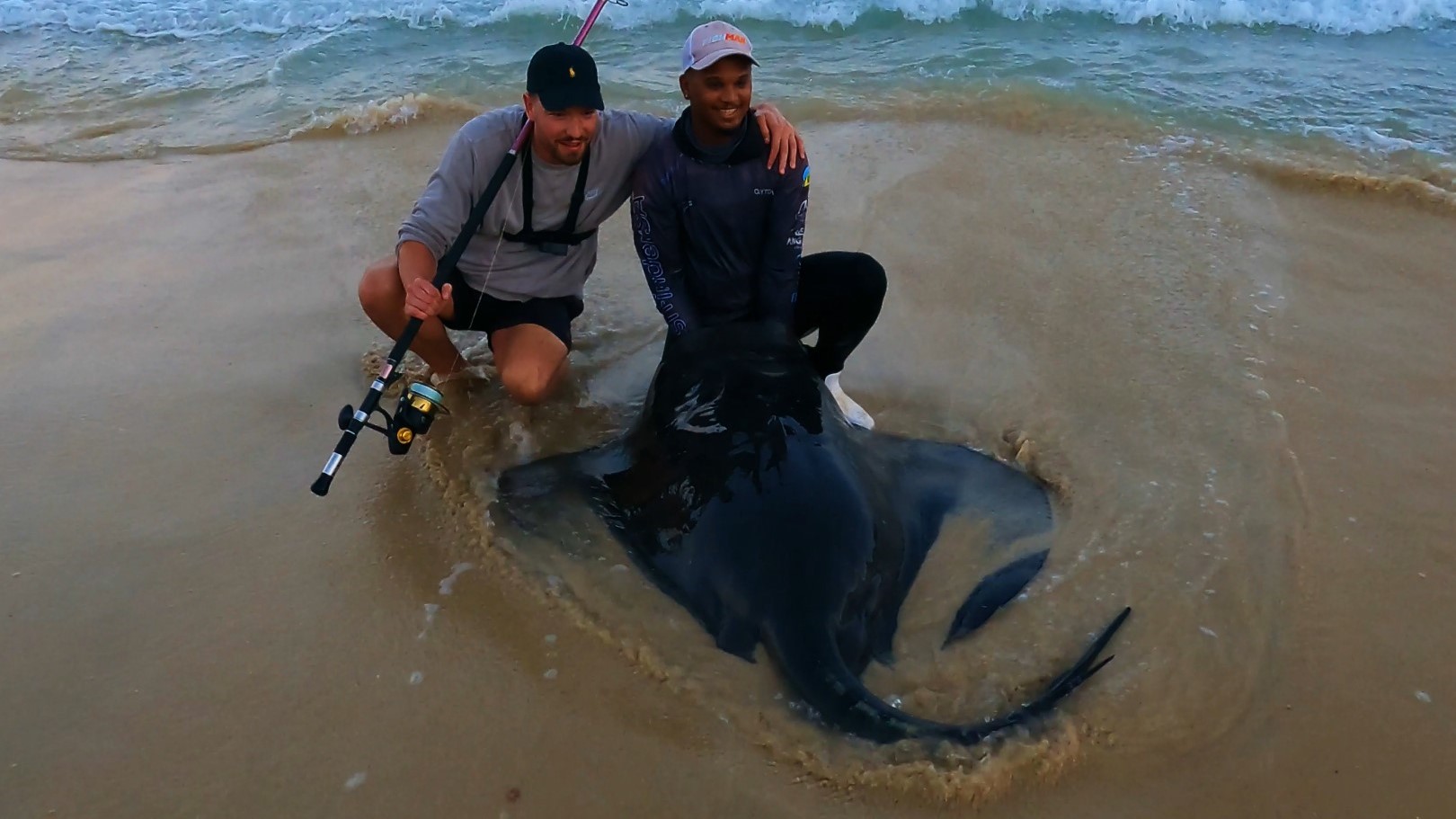
Black Ray
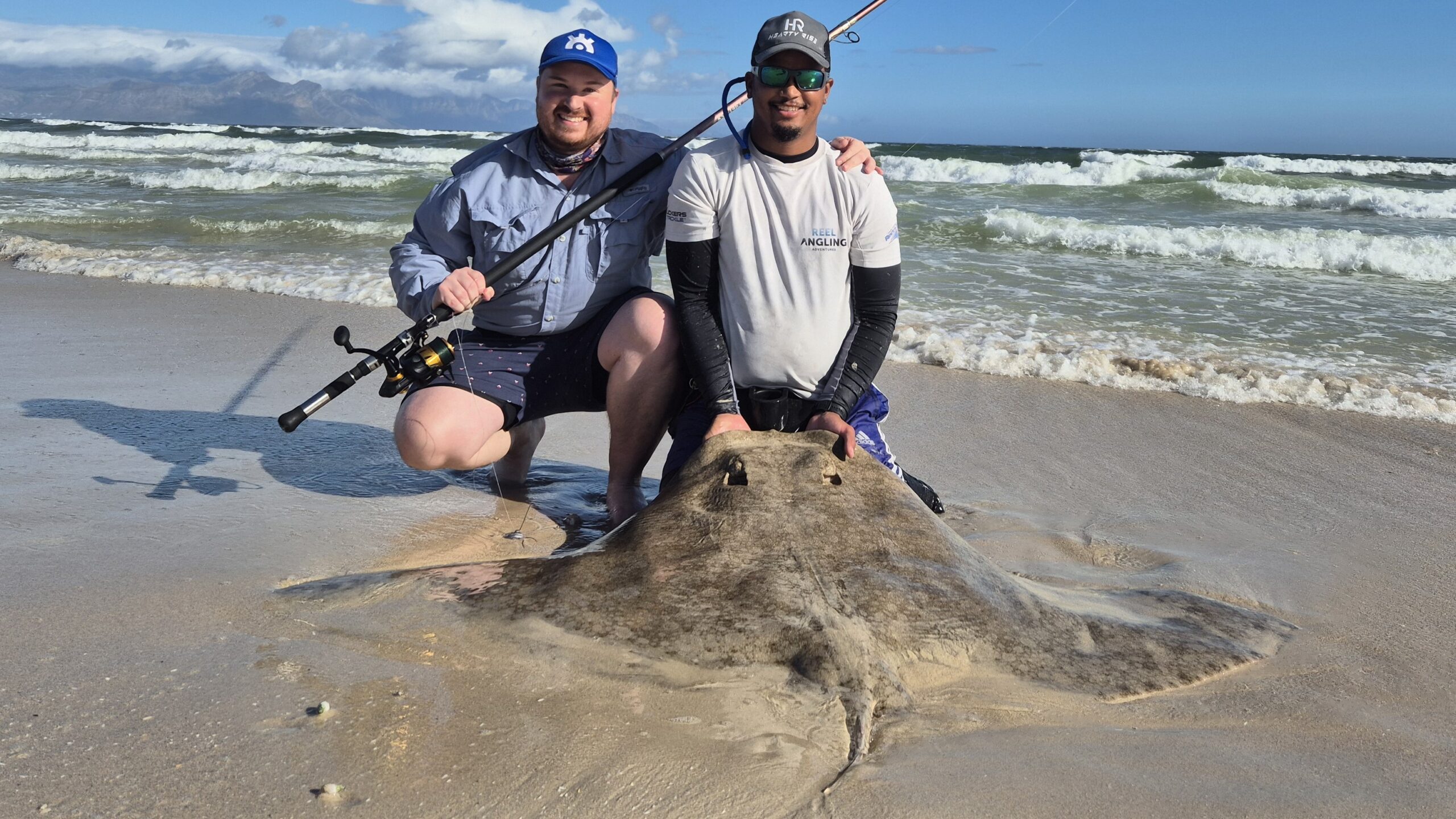
The Black Ray is all brute force and bottom-hugging stealth. Found in deep gullies and reef edges, a slow-moving powerhouse delivers a relentless, drag-peeling fight. Best targeted with big baits like mackerel or octopus on heavy tackle. A unforgettable catch for any serious angler.
Blacktail (Dassie / Kolstert)
The Blacktail thrives in rocky gullies, tidal pools, and shallow surf zones. Known for its bold strike and darting fight, it is a favourite among light-tackle anglers and junior fishers alike. Best targeted with sardine, prawn, or squid on smaller hooks.
Blue Ray
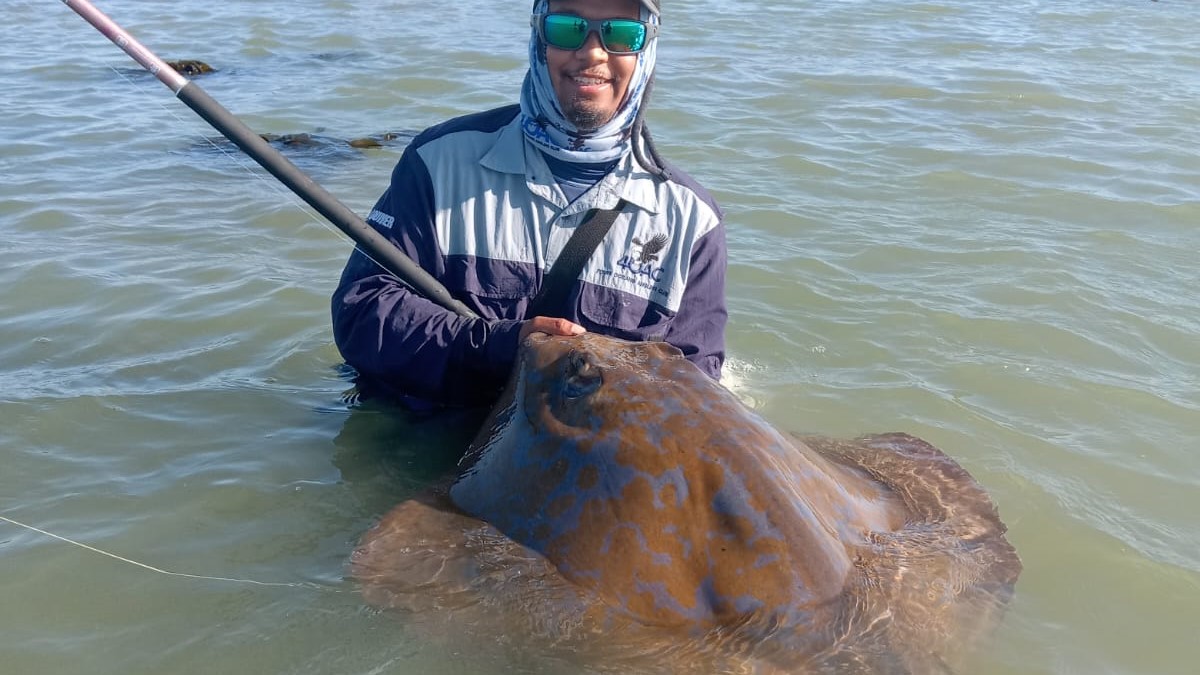
A sleek, electric presence in South Africa’s surf zone, the Ragged Blue Ray glides through sandy gullies and reef edges with stealth and power. Known for its vibrant hue and low-slung aggression, this ray delivers a slow, grinding fight that tests your gear and grit. Best targeted with oily baits like mackerel or chokka on heavy tackle.
Bonito
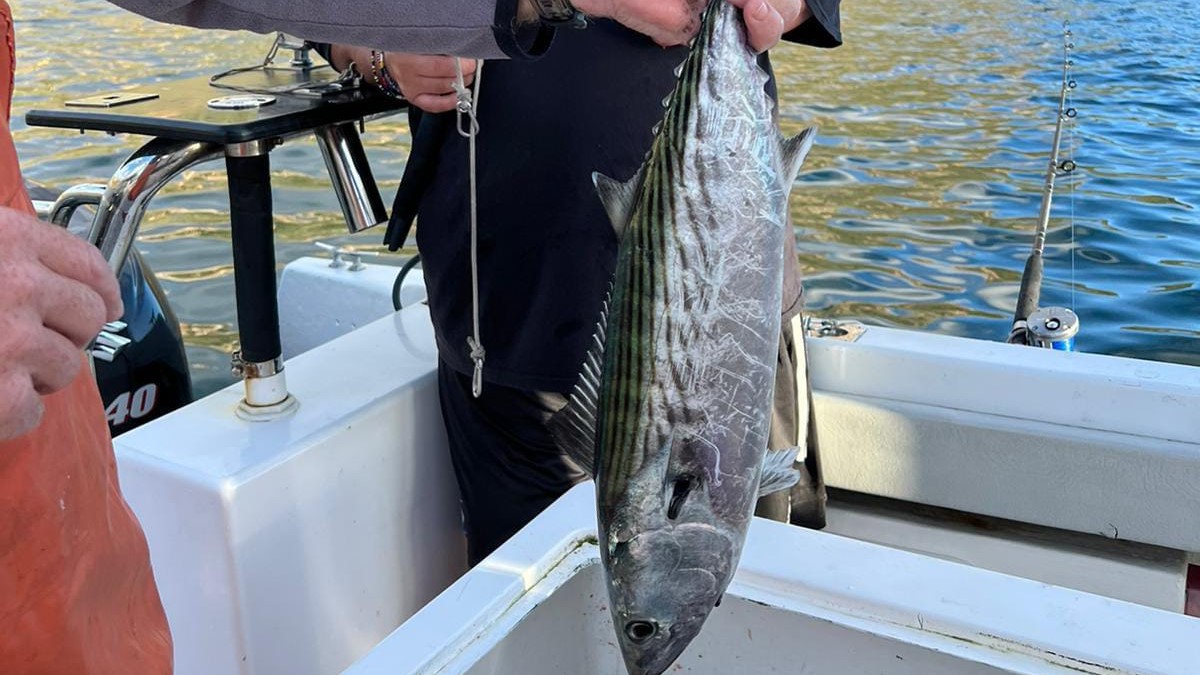
Built for speed and attitude, the Bonito is a torpedo-shaped predator that tears through bait balls just off South Africa’s coastline. Found in warmer months around False Bay, Cape Point, and the deeper reefs off Struisbaai, these fish hit hard and run harder. Best targeted on the troll with spoons, feathers, or small plugs.
Bronze Whaler (Copper Shark)
A true titan of South Africa’s surf zone, the Bronze Whaler is all muscle, speed, and attitude. Found off the beaches of False Bay and Uilkraalsmond, these sharks are drawn to warm currents and bait-rich waters. They hit hard, run fast, and fight dirty—testing your knots, your drag, and your nerve. Best targeted with big baits like mackerel, bonito, or whole chokka on heavy tackle.
Carp
A freshwater heavyweight with a cult following, the Carp is the ultimate test of patience, precision, and presentation. Found in dams and rivers across South Africa, these wary feeders demand stealth and strategy. Baits of choice are papgooiing with mieliebom and floaties or going full specimen style with boilies and hair rigs, Carp fishing is a game of finesse.
Cow Shark (Broad nose Seven gill)
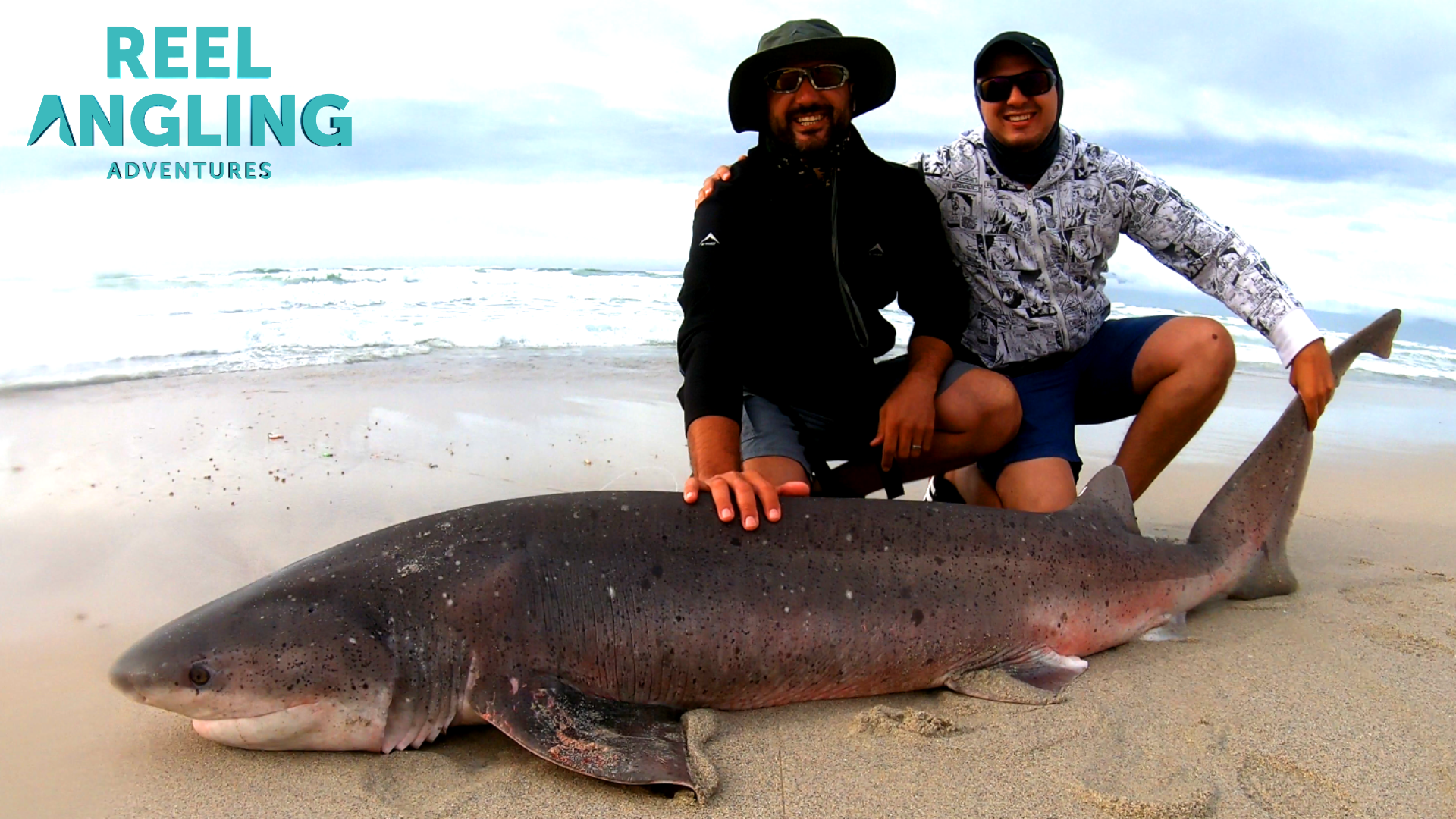
A prehistoric predator with attitude, the Cow Shark prowls South Africa’s kelp forests and deep gullies like a ghost from another era. With seven gill slits and a blunt, powerful head, it’s built for ambush and brute force. Found around False Bay, Cape Point, and deeper reef systems, Cow Sharks respond to oily and bloody baits like mackerel, bonito, and sardine heads.
Diamond ray
The Diamond Ray glides through South Africa’s sandy gullies and offshore banks like a living kite. With its wide, winglike body and subtle movements. Best targeted with sardine, chokka, or mackerel on heavy tackle.
Eagle Ray
With wing-like fins and a gliding, aerial grace, the Eagle Ray is one of South Africa’s most charismatic coastal species. Found along the West Coast and into False Bay, these rays cruise sandy bottoms and reef edges, often spotted in shallow surf or estuary mouths. Best targeted with sardine, chokka, or prawn.
Galjoen (National Fish of South Africa)
Bold, rugged, and unmistakably local, the Galjoen thrives right in the foamy chaos of crashing waves and jagged reef. Found along rocky shorelines from Cape Point to the Eastern Cape, Galjoen feed in turbulent water, smashing red bait, mussel, and prawn off submerged ledges.
Garrick (Leervis)
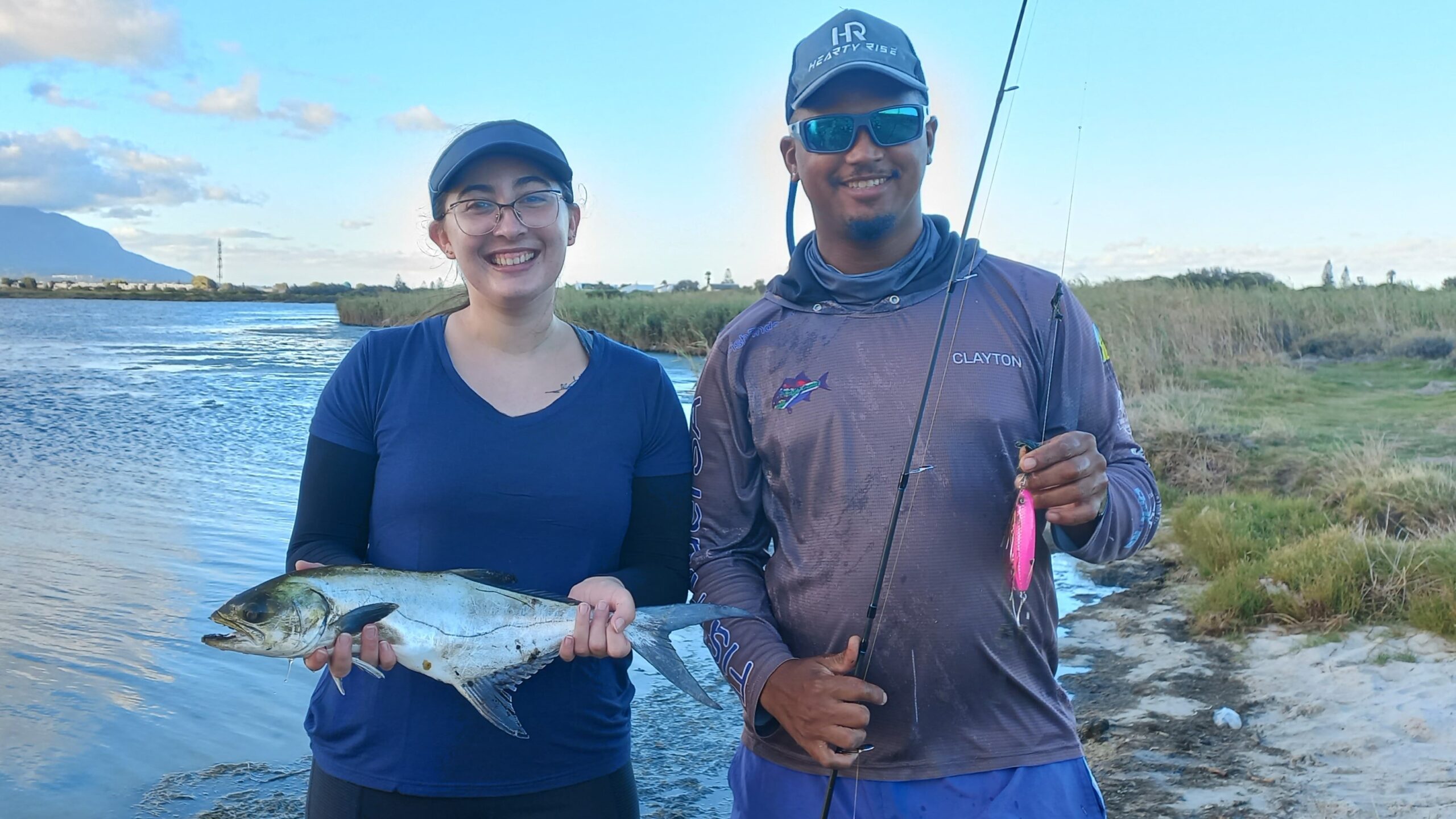
Fast, aggressive, and built for battle, the Garrick is one of South Africa’s most iconic game fish. Found in the surf zone and estuary mouths from the Western Cape to KwaZulu-Natal, these silver torpedoes strike hard and fight clean—often leaping and surging through the shallows. Best targeted with live mullet, surface plugs, or soft plastics.
Hammerhead Shark (Smooth Hammerhead)
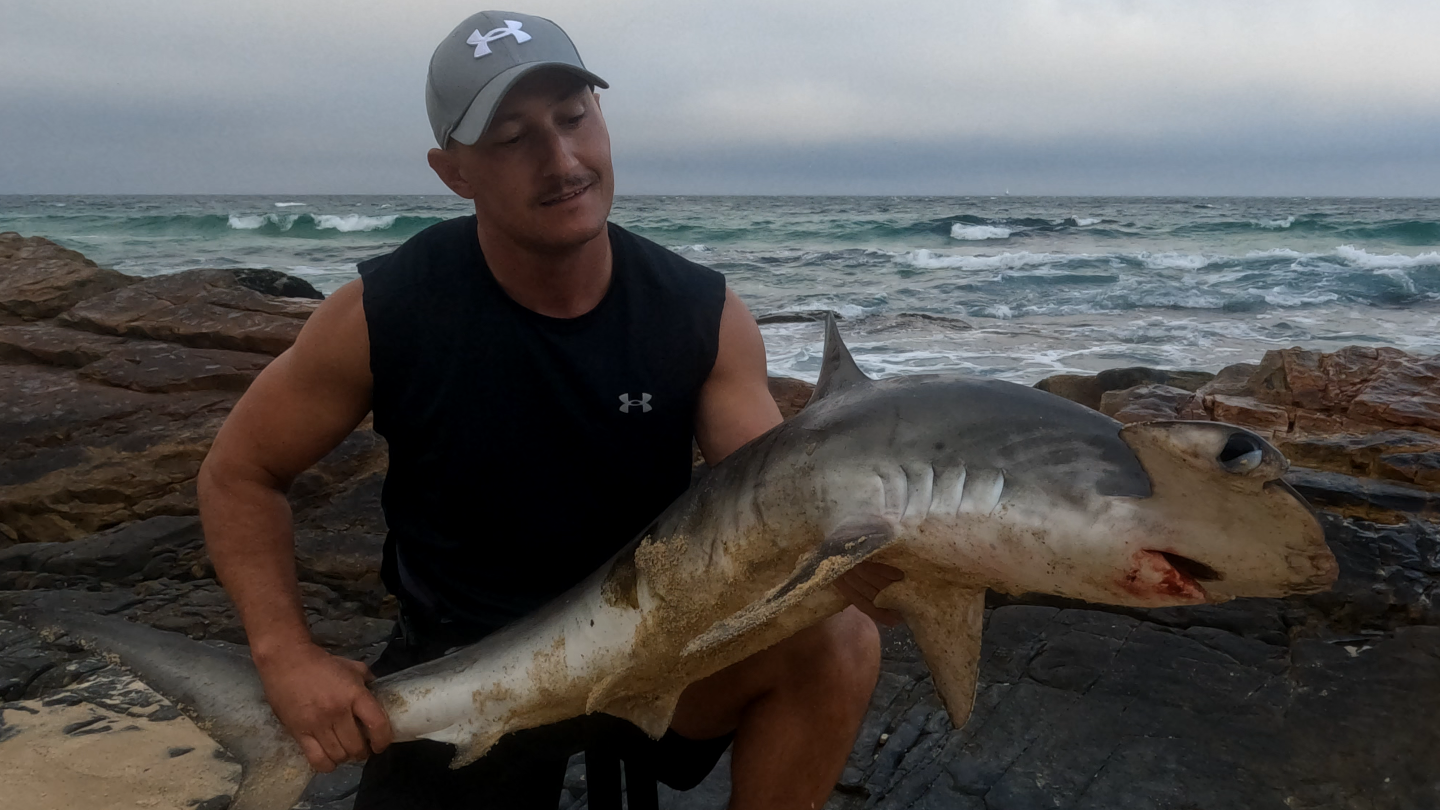
Sleek, fast, and unmistakably alien, the Lesser Hammerhead glides through South Africa’s coastal waters with eerie precision. Found along the Eastern and Southern Cape, especially in warmer months, these sharks are drawn to baitrich currents and estuary mouths. Best targeted with fresh mackerel, bonito, or sardine heads on heavy tackle.
Kob (Kabeljou / Daga)
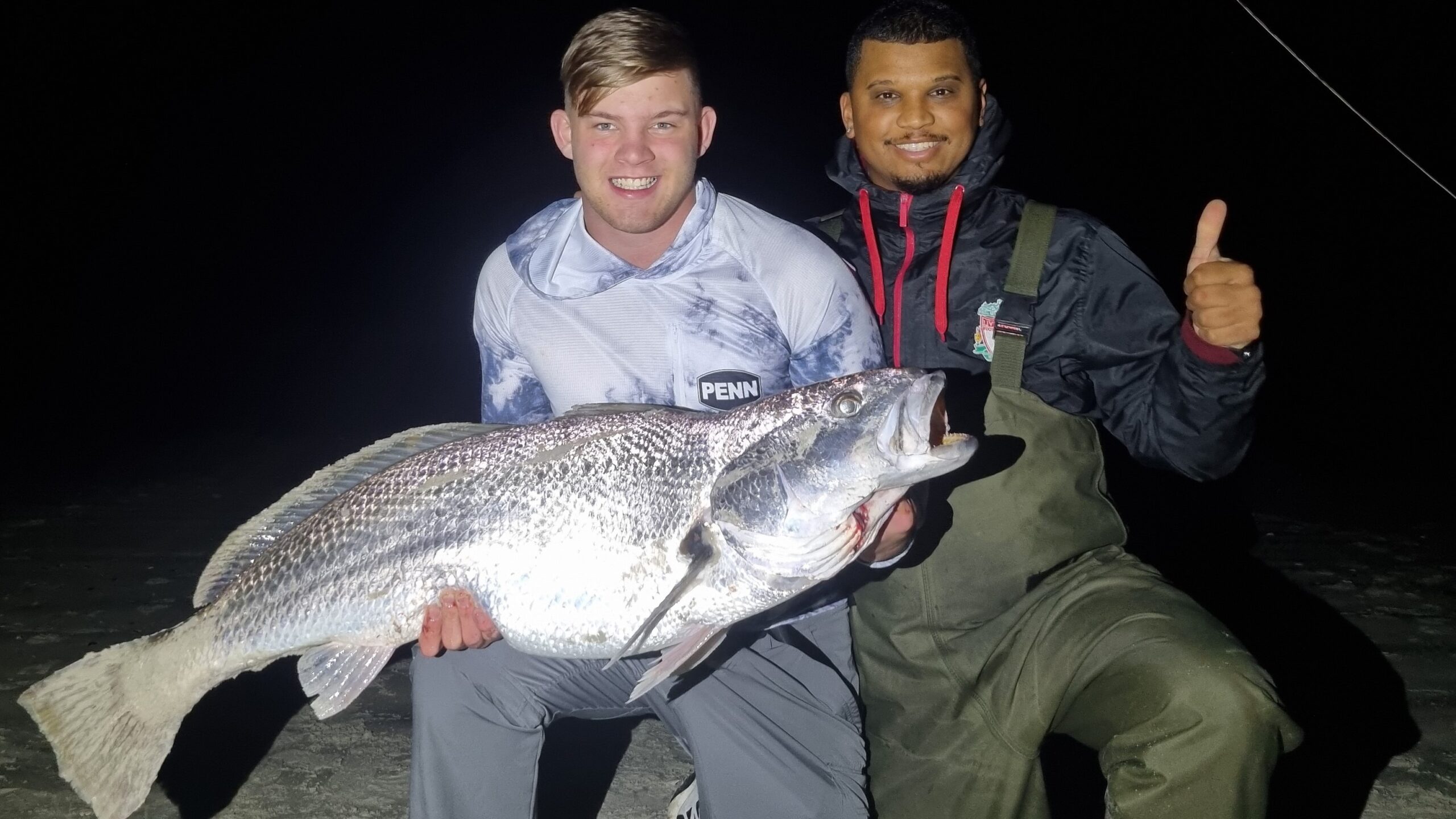
The king of the Cape surf, Kob are powerful, elusive, and deeply respected. Found along sandy beaches, estuary mouths, and reefy drop-offs, they thrive in “ginger beer” water—discoloured, turbulent zones where other species shy away. Kob hunt by vibration and scent, smashing sardine, chokka, and live mullet with brutal precision. Kob are the heartbeat of South African rock-and-surf angling
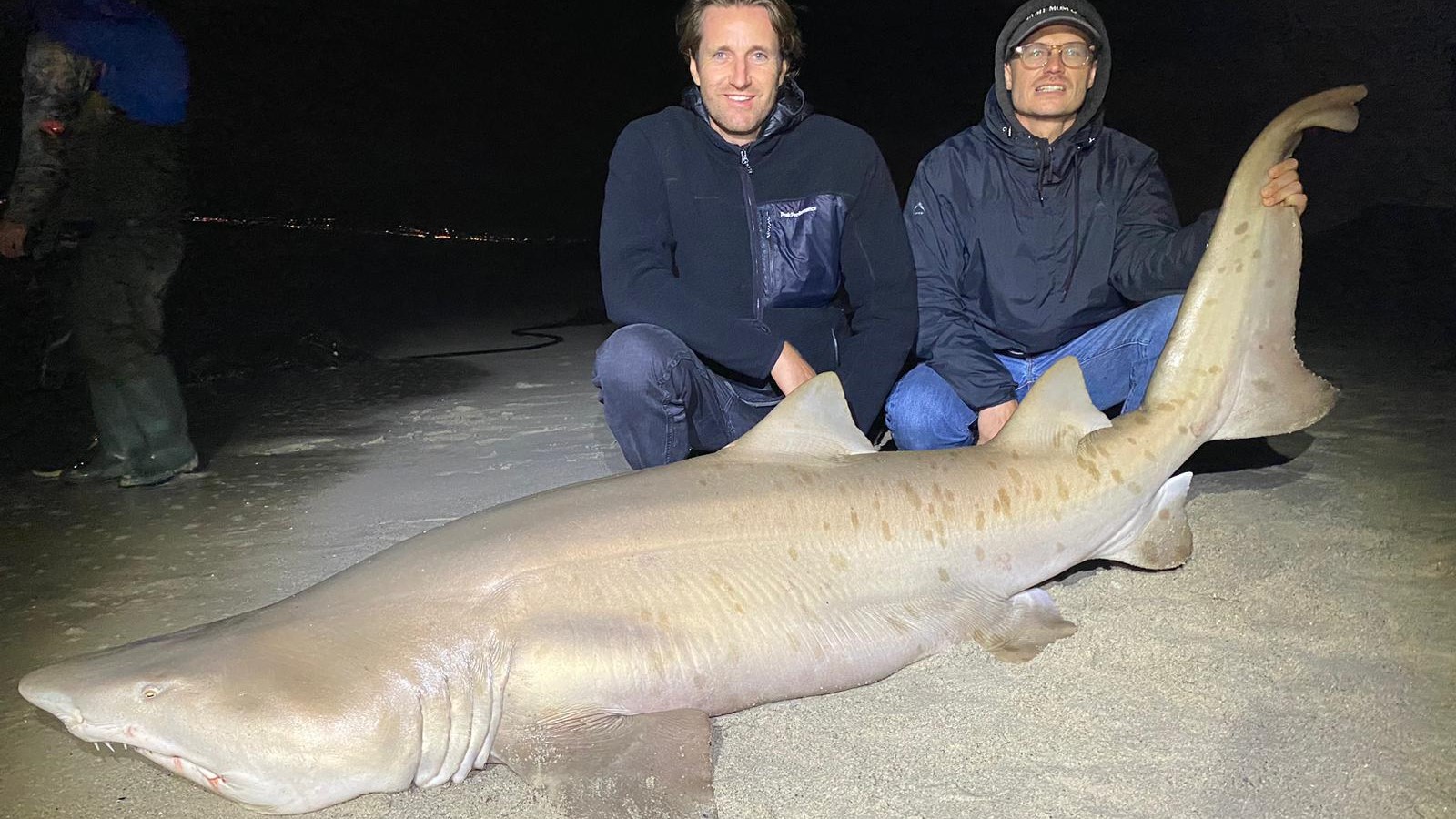
Ragged Tooth Shark
Affectionately known as the “Raggie”—is one of South Africa’s most recognizable coastal predators. Found along the Western, Eastern and Southern Cape. Raggies are slow-moving ambush hunters that thrive in murky, bait-rich water. Best targeted with oily baits like mackerel, bonito, or sardine heads on heavy tackle, Raggies offer a slow, grinding fight—pure muscle and endurance.
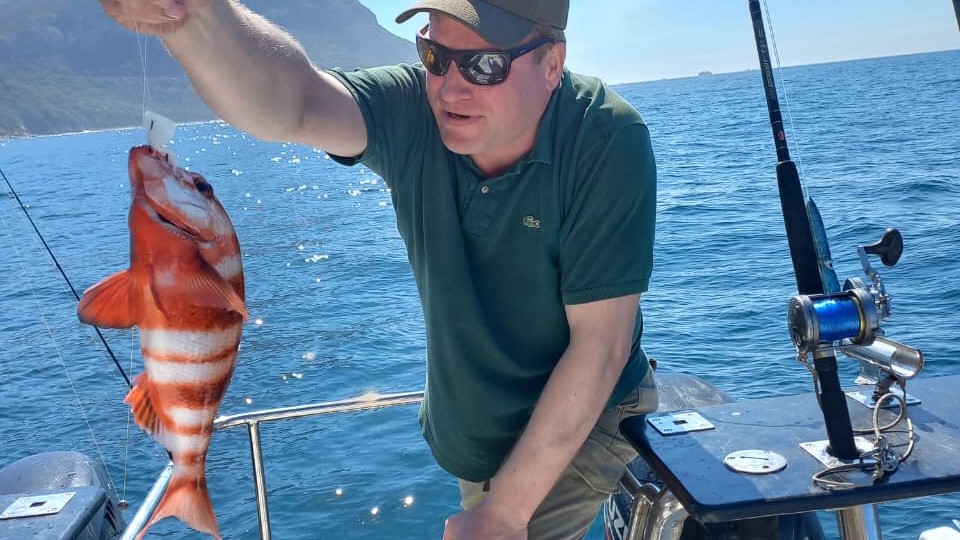
Red Roman
Striking in colour and fierce in attitude, the Red Roman is a true sentinel of South Africa’s inshore and offshore reefs. With its deep orange-red body, white saddle, and piercing blue line between the eyes, it is as photogenic as it is powerful. Found from Namibia to the Eastern Cape, these seabream thrive in rocky terrain up to 100m deep, feeding on crustaceans, cephalopods, and reef-dwelling invertebrates.
Red Stumpnose (Miss Lucy)
A reef royalty with a cult following, the Red Stumpnose is one of South Africa’s most iconic and endangered seabream. With its deep red body, high forehead, and piercing stare, it is instantly recognizable—and fiercely territorial. Found along the Southern Cape coast, especially near Struisbaai and De Hoop, these fish are resident, often returning to the same reef year after year. They feed on crustaceans and molluscs, and are best targeted with prawn, squid, or red bait on bottom rigs.
Sandshark
Half shark, half ray, the Lesser Sand shark glides through South Africa’s West Coast surf zone like a living relic. With its flattened body and pointed snout, it blends into sandy bottoms, ambushing prey with stealth and precision. Found in shallow bays and estuary mouths during summer, these fish respond well to prawn, sardine, and chokka baits on light to medium tackle.
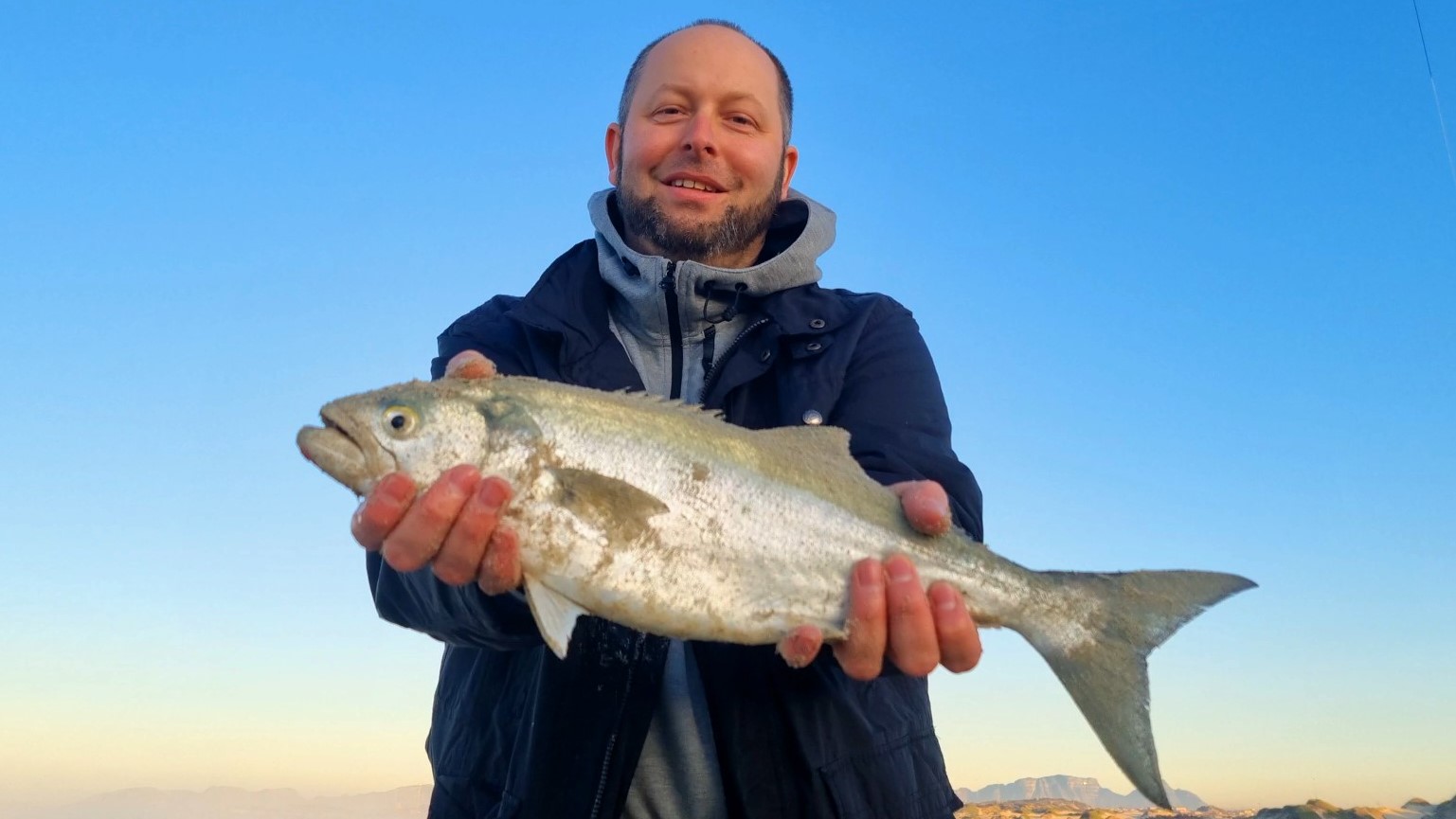
Shad (Elf)
A surf zone assassin with razor teeth and lightning reflexes, Shad are built for chaos. Found along South Africa’s entire coastline, especially in foamy water near reefs and rocky ledges, they strike hard and fast—often in frenzied shoals. Whether you are spinning spoons at sunrise or casting sardine baits into the churn, Shad deliver explosive hits and aerial fights.
Smooth Hound Shark
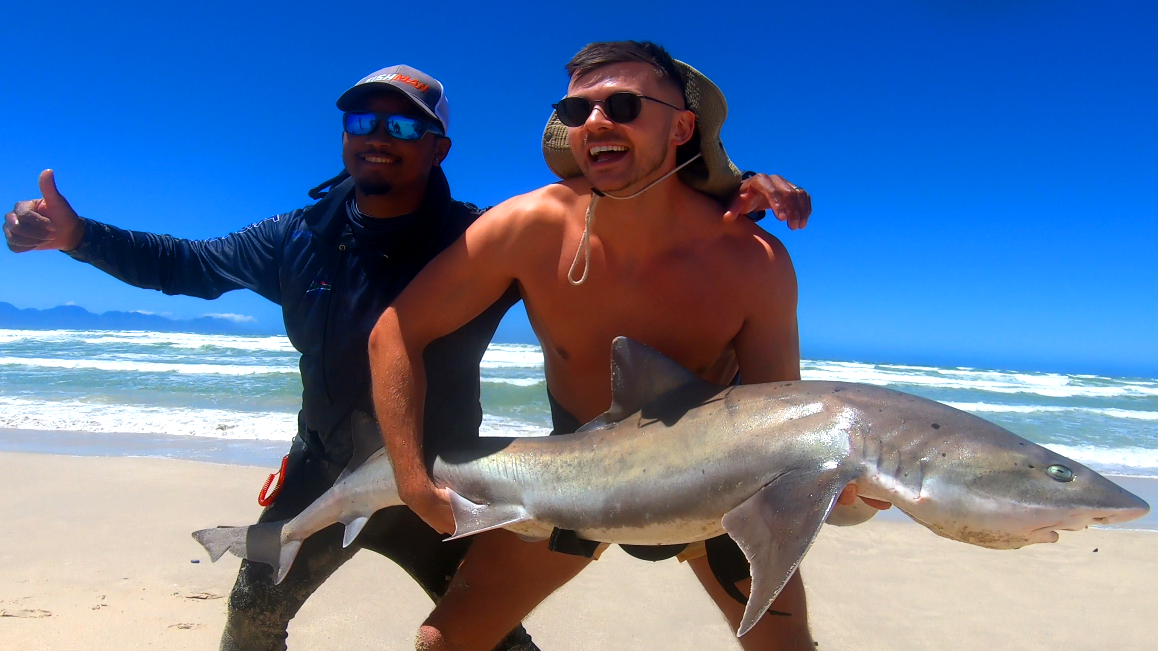
Sleek, spotted, and surprisingly strong, the Smooth Hound is a staple of South Africa’s inshore shark scene. Found along sandy gullies and reef edges from False Bay to Arniston. Best targeted with sardine, chokka, or prawn baits
Snoek (Cape Snake Mackerel)
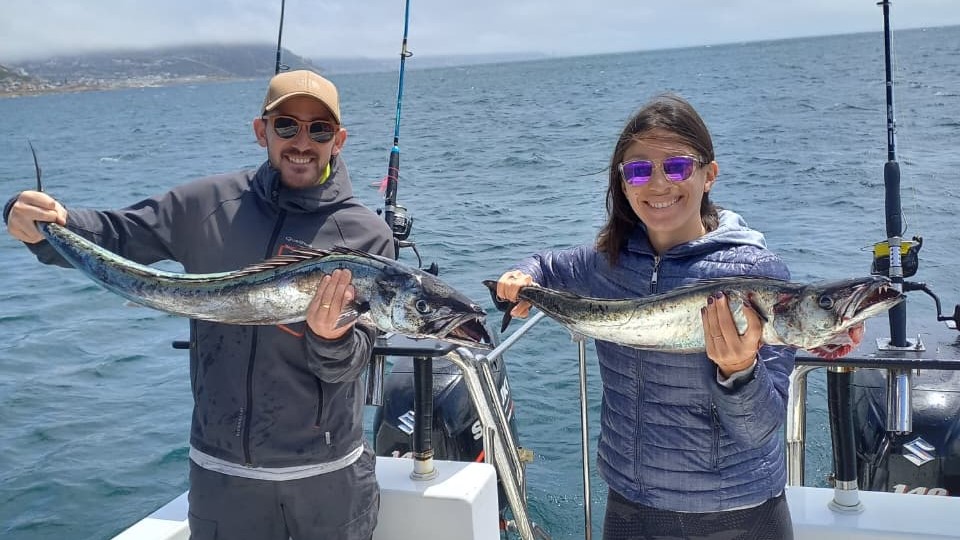
Sharp-toothed, lightning-fast, and deeply woven into South African fishing heritage, Snoek are the chaos kings of the Cape. Found in cold, bait-rich waters from Namibia to Mossel Bay, these predators strike hard and fight dirty—often in frenzied shoals that turn False Bay into a battlefield. Whether you are trolling, spinning, or baiting with pilchard or anchovy, Snoek deliver explosive hits and violent headshakes.
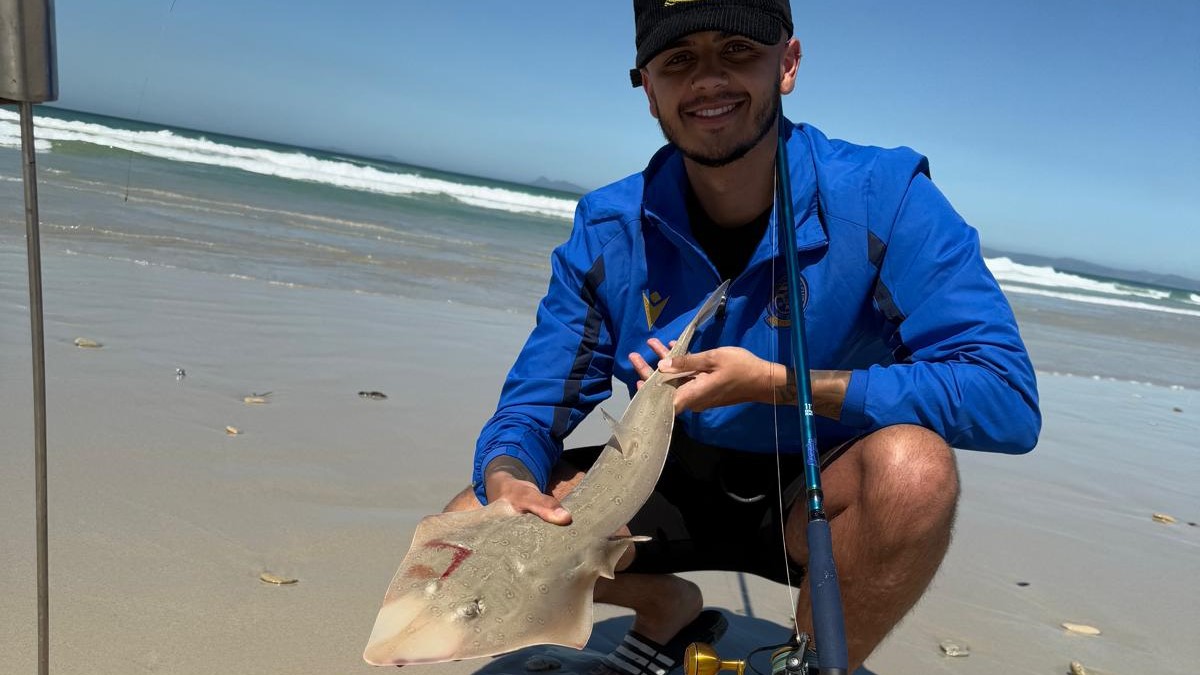
Spotted Gully Shark
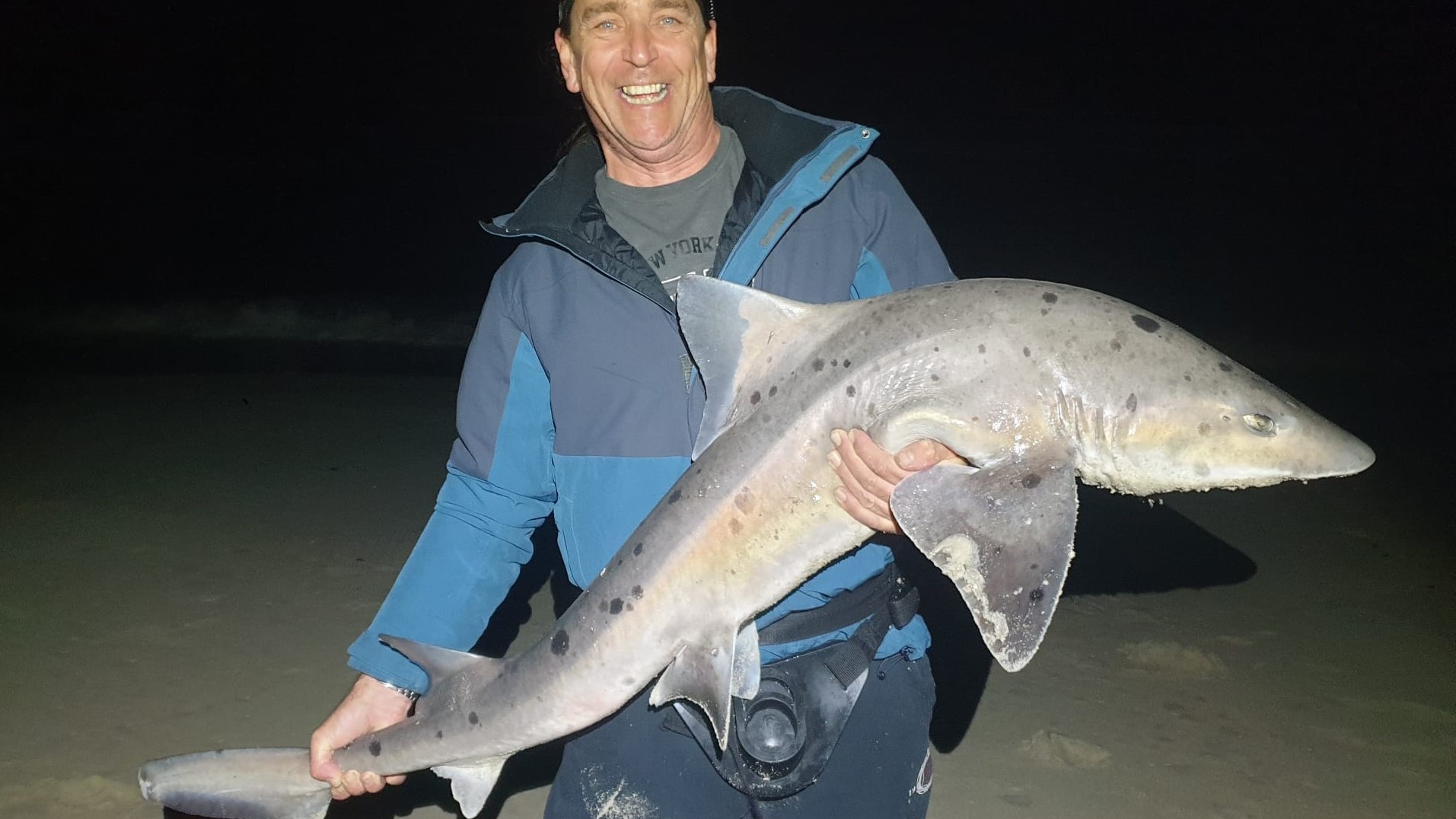
A true local bruiser of the Cape’s kelp-lined gullies, the Spotted Gully Shark is built for stealth, stamina, and surprise. With its broad snout, leopard-like spots, and triple-pointed teeth, a bottom-hugging predator thrives in rocky terrain and sandy drop-offs. Found from False Bay to the Garden Route, these sharks are most active at night, cruising the surf zone in search of octopus, small fish, and crustaceans. Best targeted with sardine, chokka, or mackerel on medium to heavy tackle.
St Joseph Shark (Cape Elephant fish)
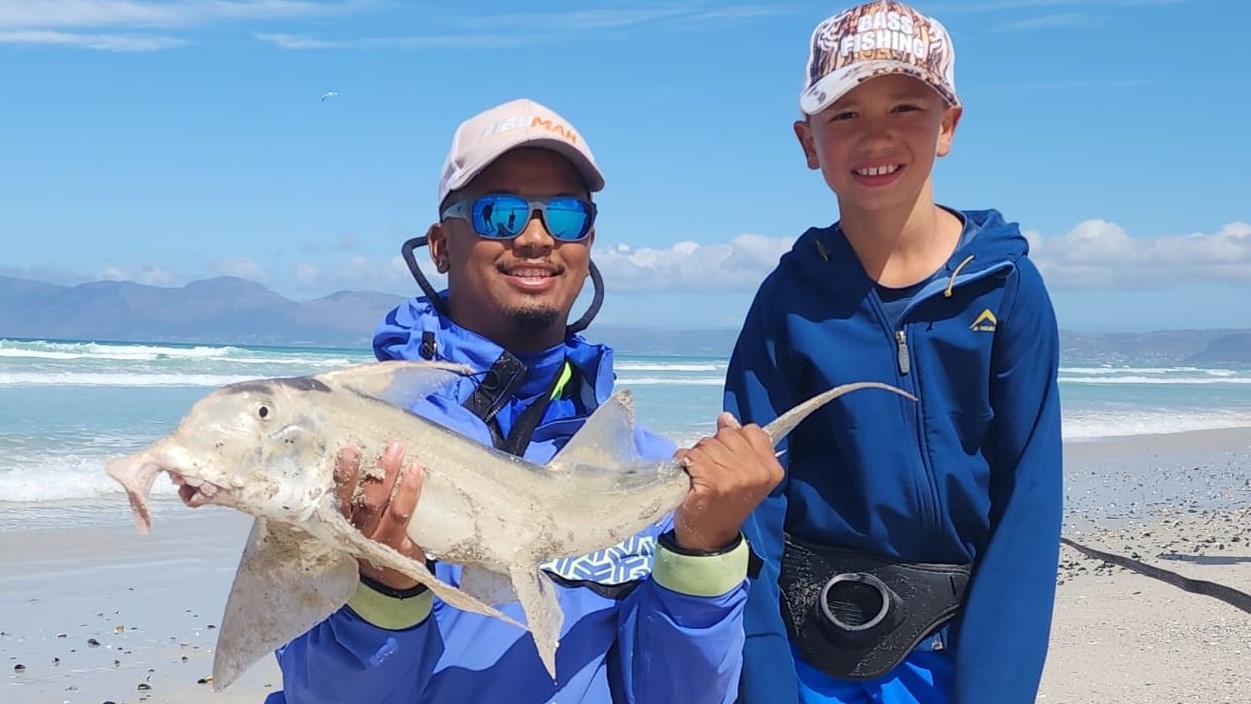
Alien-like and ancient, the St Joseph Shark glides through South Africa’s cold, inshore waters with eerie grace. With its silvery body, trunk-like snout, and venomous dorsal spine, it looks like something out of a deep-sea myth. Found mostly off the West Coast and False Bay, these bottom dwellers use their elongated snouts to detect prey buried in the sand—crustaceans, molluscs, and small fish. Best targeted with prawn or sardine on light tackle.
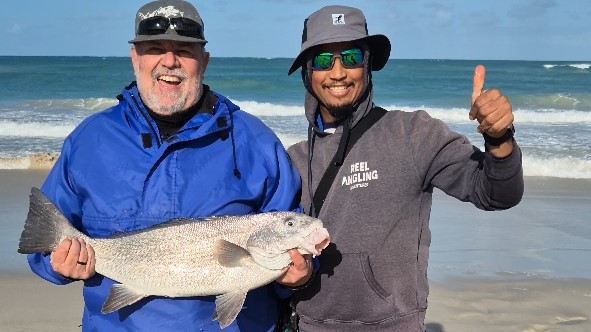
White Steenbras (Pignose Grunter)
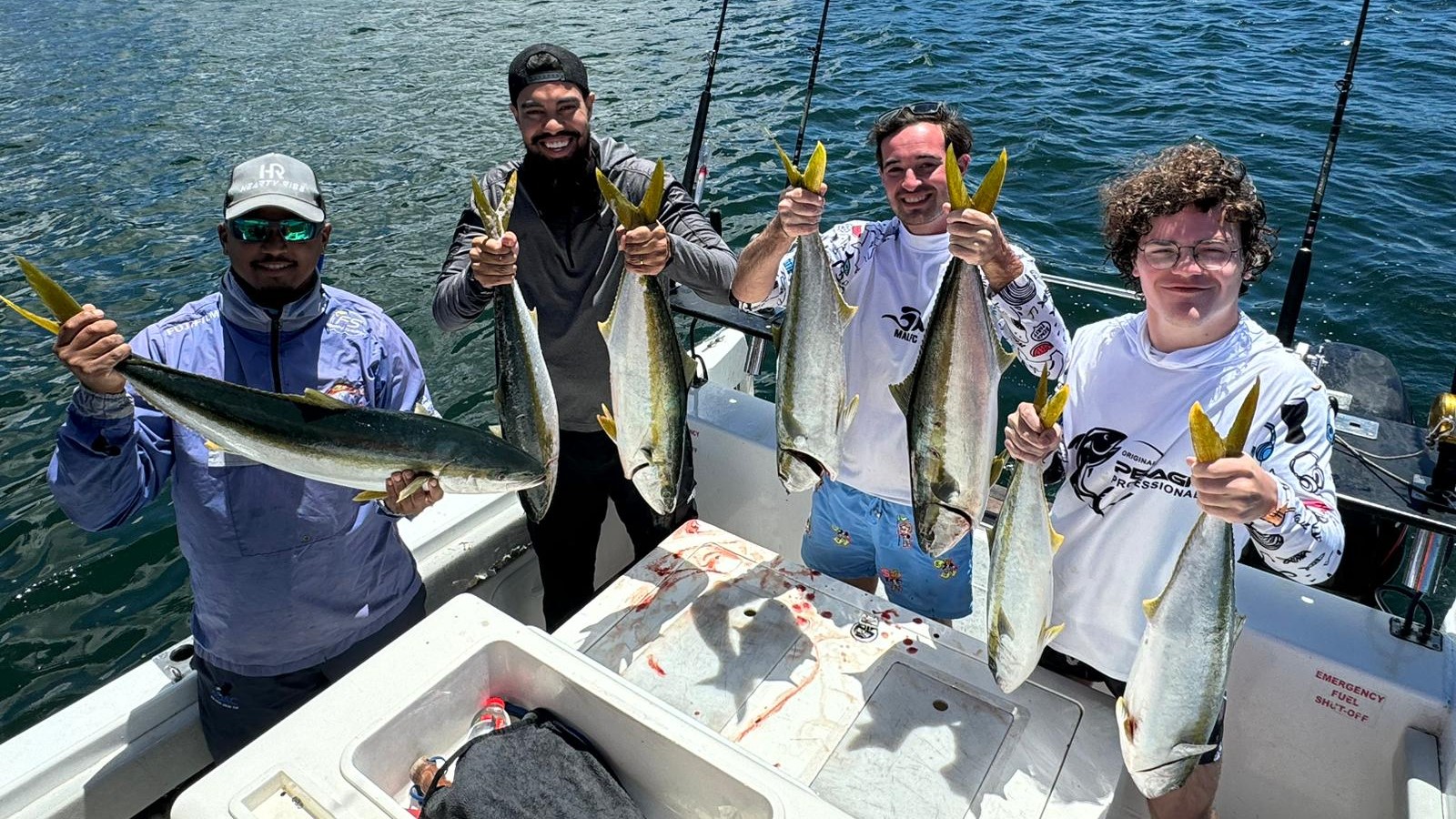
The White Steenbras is as elusive as it is majestic. With its sleek body, golden flanks, and distinctive pig-like snout, it is a prized catch for anglers who know how to read the tides and feel the subtle pull of a cautious feeder. Found from False Bay to the Eastern Cape, these fish thrive in sandy gullies and estuary mouths, feeding on worms, crustaceans, and molluscs.
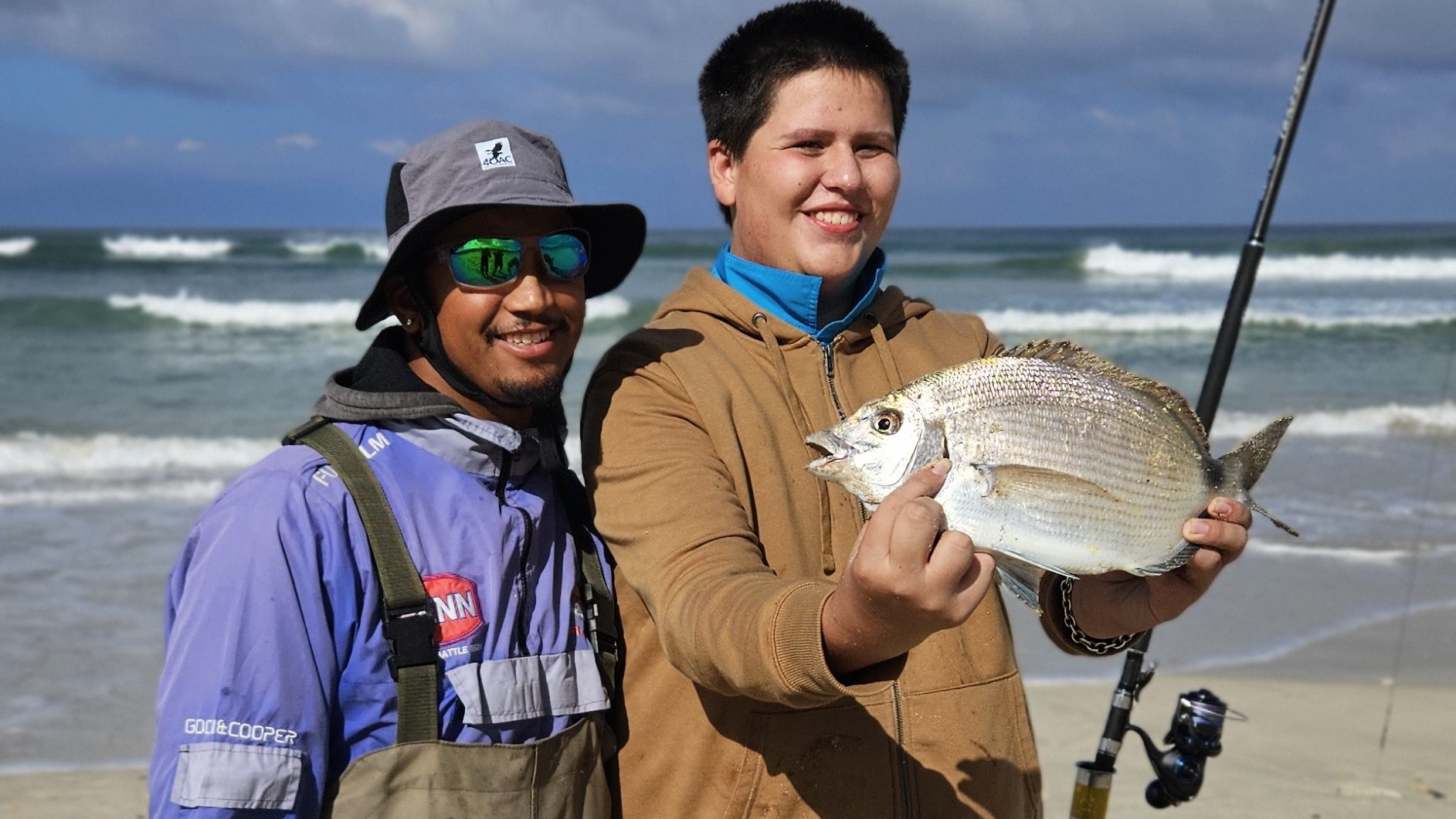
White Stumpnose
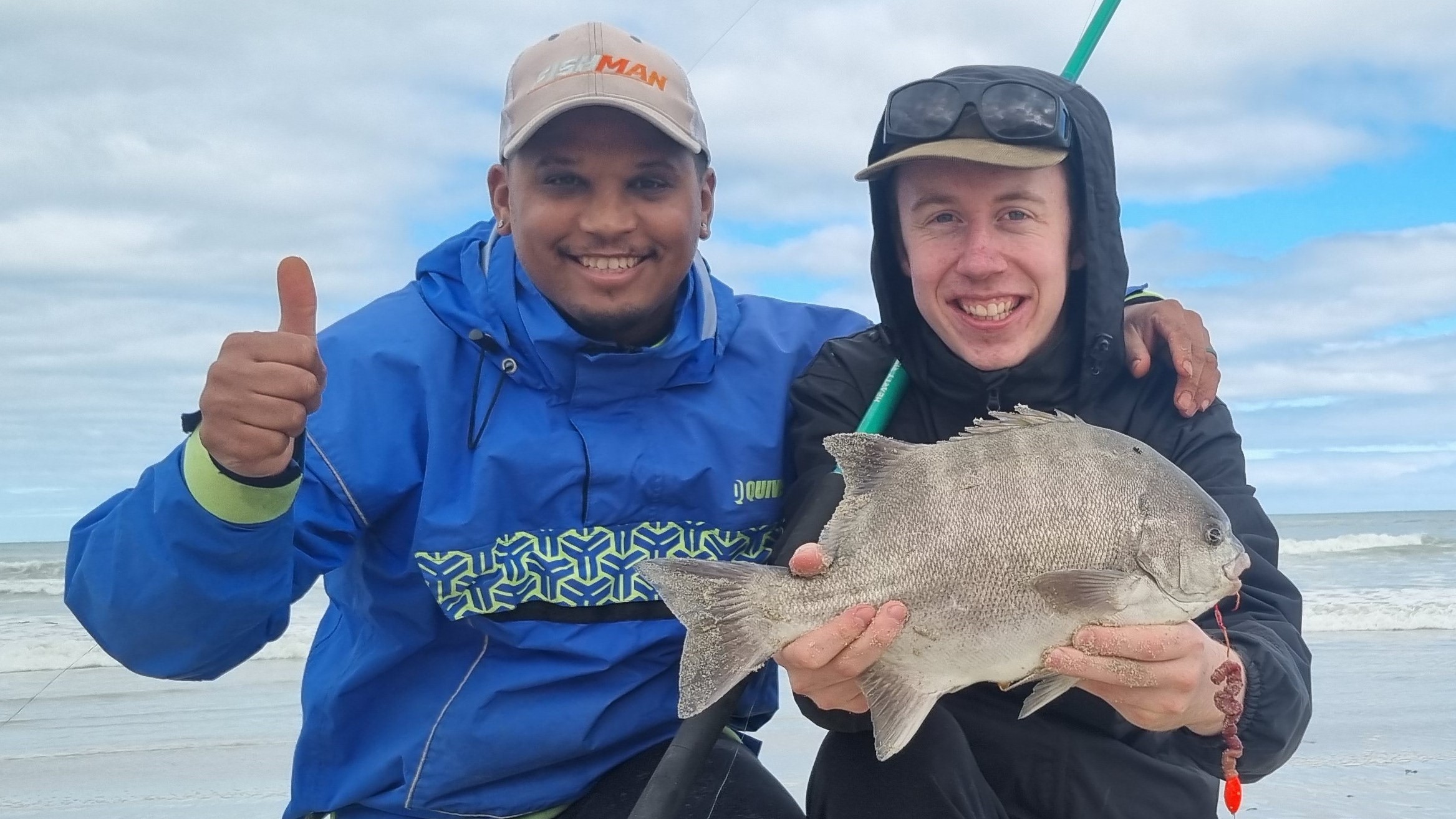
A West Coast classic and a Langebaan Lagoon legend, the White Stumpnose is a shoaling seabream known for its clean fight and subtle bite. With its silver flanks, blunt snout, and golden sheen, it’s a favourite among light-tackle anglers and a staple of family fishing trips. Best targeted with prawn, white mussel, or sardine on small hooks, they respond well to finesse and patience.
Wildeperd (Zebra Fish)
The Wildeperd, named after the Afrikaans for “wild horse,” is a scrappy, reef-hugging brawler found from False Bay to Kosi Bay. With its black-and-white bars and compact, muscular frame, it’s built for tight gullies, foamy ledges, and intertidal chaos. Think of it as the blacktail’s tougher, more elusive cousin—prettier, punchier, and far less forgiving. Best targeted with white mussel, red bait, or prawn on light tackle
Yellow Fin Tuna
The Yellowfin Tuna is the undisputed heavyweight of South Africa’s offshore game fishing. Found off the Southern Cape coast—especially near Hout Bay and the collision zone of the Indian and Atlantic Oceans—these predators chase baitfish in warm, nutrient-rich currents, often schooling with skipjack and other tuna species. Recognizable by their electric yellow sickle fins and torpedo-shaped bodies, Yellowfin can reach up to 180kg.Whether you’re trolling lures or chunking bait, hooking into one is a full-body experience.
Yellowtail (Geelstert)
Yellowtail are the torpedoes of the Cape’s offshore scene. Found in shoals around Cape Point, Dassen Island, and the Agulhas banks, they hunt baitfish with explosive speed—often boiling on the surface in a frenzy of foam and feathers. Whether you are spinning metal jigs, trolling deep divers, or dropping live bait, Yellowtail hit like a freight train and fight as if they have something to prove.